

Let me confess something: I used to think emergency power was for those survivalists with beards living in basements. Until last winter—an ice storm left me in darkness for 36 hours. The faint glow of my phone at 10%, food slowly spoiling in the fridge, and that unsettling, absolute silence. In that moment, I realized: The fragility of a modern home is just one power outage away.
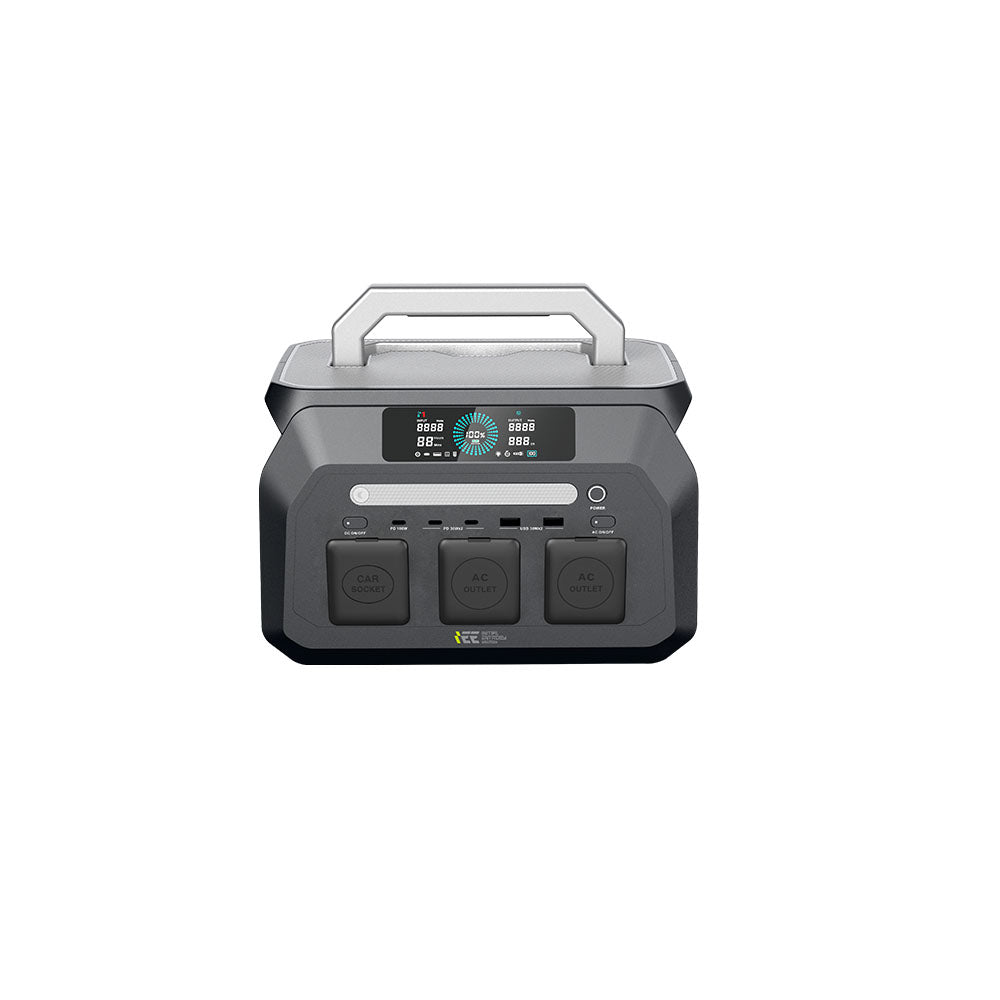
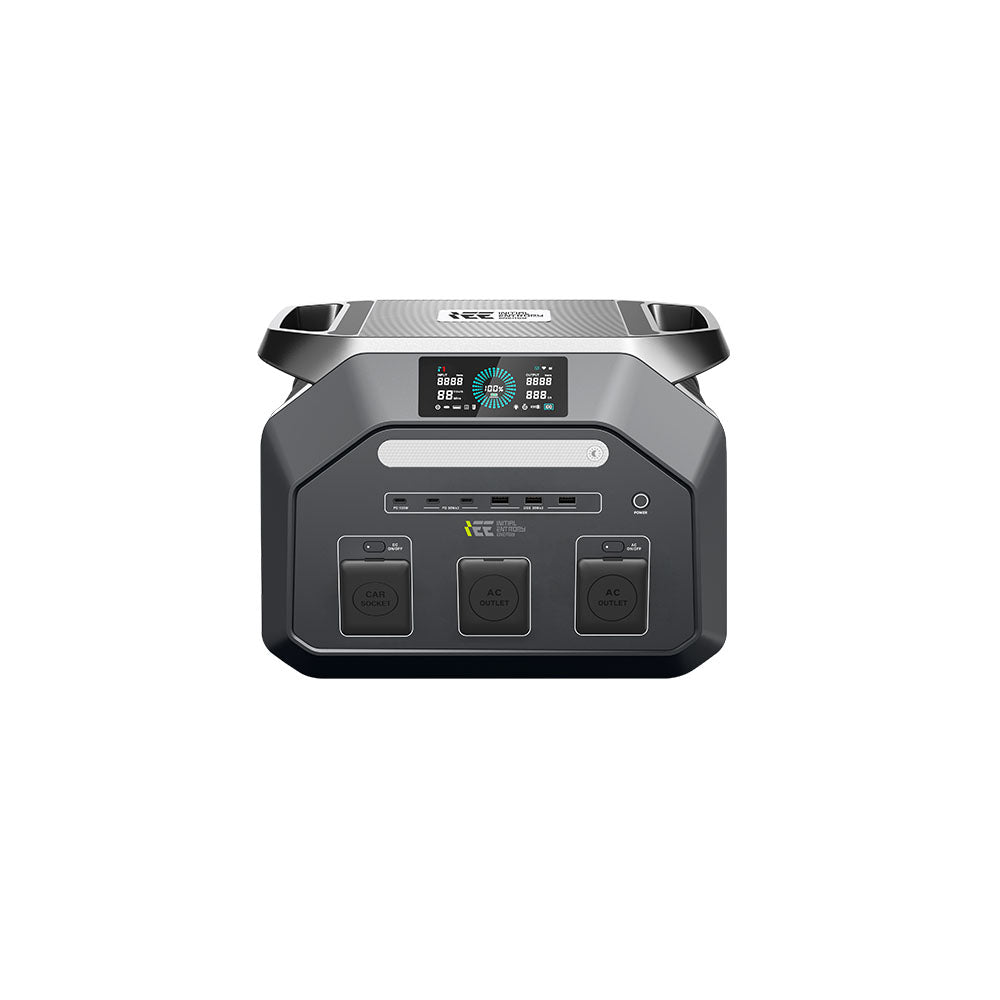
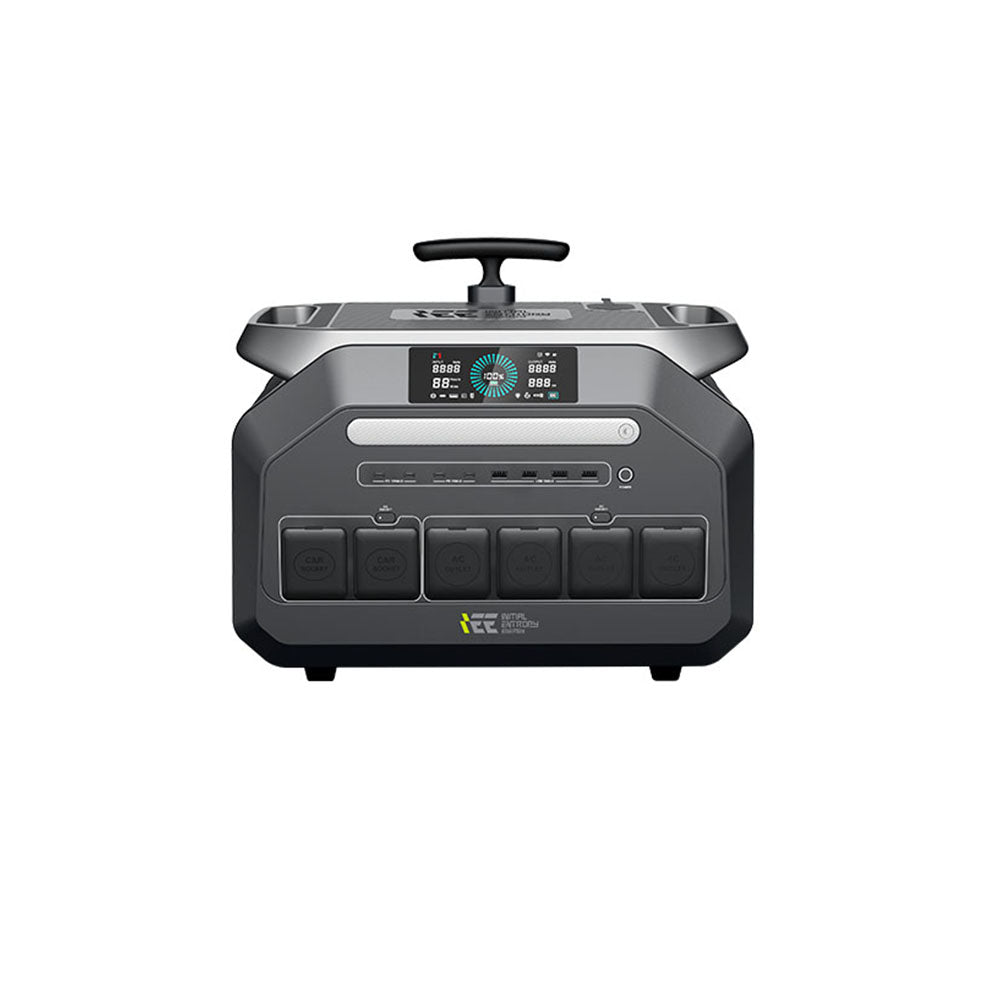
But today, we’re not talking about fear; we’re talking about solutions. I’ll take you deep into why a quiet box that looks like a high-end audio component—like the P3200 or SP5000 portable power station—has evolved from a geek’s toy to every savvy homeowner’s “digital age insurance policy.”
“Just Light Some Candles?” – Why We’ve Become So Strangely Vulnerable to Blackouts
Think about it: A century ago, a blackout meant lighting candles and maybe storytelling. Today? It means your smart door lock might not work, your security cameras go blind, your Wi-Fi vanishes, your refrigerator stops humming, and your CPAP machine (if you use one) simply quits. We’ve woven electricity into every thread of our safety and comfort.
From Romantic Candles to Digital Black Hole: A Century of Blackout Experience Evolution
I have a somewhat romantic memory from childhood: a storm caused a blackout, and we sat around candlelight playing board games. It was an adventure. But last winter’s outage? It was a crisis. My work stopped because my computer died. My food began spoiling because the fridge turned off. My anxiety rose because I couldn’t charge my phone to contact anyone. The cost of a blackout today isn’t just inconvenience; it’s a potential threat to our digital livelihoods and physical well-being.
The Price of Silence: What Does a Blackout Really Cost You?
Let’s do a quick calculation:
- Food Loss: A fridge full of food can spoil within hours if power is out during a heatwave. That’s a 500 loss instantly.
- Work Stoppage: If you rely on computers for work, every hour of outage could mean lost income or deadlines missed.
- Security Risks: Dark homes are targets. Without cameras or alarm systems, you’re vulnerable.
- Health Threats: For those relying on medical devices like CPAP machines or oxygen concentrators, a blackout isn’t just uncomfortable—it’s dangerous.
So, “just lighting candles” isn’t an option anymore. We need a real solution.
Unboxing the “Black Box”: Home Emergency Power Isn’t Your Grandparents’ Generator
When most people think “emergency power,” they imagine a loud, gas-guzzling generator in the backyard. That’s the old way. The new way is a portable power station: silent, fuel-free, and safe to run indoors.
Roaring Beast vs. Quiet Partner: The Fundamental Face-off Between Generators and Power Stations
Let’s compare:
- Generator: Loud, requires gasoline/propane (which you must store safely), emits fumes (cannot be used indoors), needs regular maintenance.
- Portable Power Station (like P3200/SP5000): Silent, uses stored lithium battery power (no fumes, safe indoors), maintenance-free, often can be recharged via solar panels.
The difference isn’t just about noise; it’s about usability. A generator is an outdoor, last-resort tool. A power station can sit in your living room, powering your essentials quietly during an outage, and then be used for a backyard movie night the next weekend.
Heart and Brain: A Simple Anatomy Lesson Inside a Portable Power Station
Think of a portable power station as a smart battery with an outlet. Its core components:
- Battery (The “Fuel Tank”): Measured in watt-hours (Wh). This tells you how much total energy it stores. For example, a P3200 has 2048Wh—enough to run a medium fridge for about 20 hours.
- Inverter (The “Engine”): Converts battery DC power to AC power that your devices use. Crucially, you need a “pure sine wave” inverter for sensitive electronics like computers, medical devices, or certain appliances. Cheap inverters can damage them.
- BMS (Battery Management System – The “Nervous System”): Protects the battery from overcharging, overheating, etc. A good BMS is why these stations are safe to keep in your home.
Understanding these three parts helps you know why a quality station isn’t just a “big power bank”—it’s a sophisticated home energy device.
How Much Power Do You Need? Stop Guessing, Let’s Do a “Home Electricity Audit”
You don’t need to power your entire house during an outage. You need to power what’s essential. Let’s break it into tiers.
First Tier: The Pulse of Life (Core Loads for the First 24 Hours)
These are the devices that, if stopped, could cause immediate harm or significant loss:
- Refrigerator: (~150-200W when running). You don’t need it running continuously; cycling it on for a few hours a day can keep food safe.
- Phone/Communication Device: (~5-10W charging). Your link to the outside world.
- Basic Lighting (LED bulbs): (~5-10W per bulb). Safety and sanity.
- Medical Device (e.g., CPAP): (~30-60W). Critical for health.
Calculation example: If you run your fridge 4 hours (200W x 4h = 800Wh), charge phones/tablets (10W x 5h = 50Wh), use lighting (10W x 6h = 60Wh), and run a CPAP for 8 hours (50W x 8h = 400Wh), your core need is roughly 1310Wh.
Second Tier: Keeping Your Sanity (Comfort Loads for Extended Outages)
If the outage lasts longer, you might want:
- Laptop: (~50W). To work or stay connected.
- Wi-Fi Router: (~10W). Restore internet if the modem has power.
- Fan or Small Heater: (~50W). For climate comfort.
- TV/Tablet: (~30-100W). For entertainment (important for kids!).
Adding these could bring your total need to 2000-2500Wh.
“Watts” Decide Everything: How to Calculate Your Magic Number
The formula is simple: Device Wattage × Hours You Plan to Run It = Watt-hour (Wh) Requirement.
Make a list, do the math. Your total Wh requirement is the minimum capacity you should look for. For the example above, a P3200 (2048Wh) would cover the core tier comfortably. For including comfort tier, an SP5000 (5120Wh) would be more appropriate.
Market Tour: From “Power Bank Plus” to “Home Energy Hub”
Not all power stations are equal. They range from small units that can only charge phones to robust systems that can run a mini-refrigerator for days.
 The Urban Apartment’s Silent Guardian: The P3200 Tier
Imagine you live in a city apartment. Your needs during a blackout: keep your fridge cold, charge your devices, have some light. You don’t have a backyard for a generator. The P3200 is your perfect match. It’s compact enough to store in a closet, powerful enough to handle those core tier needs, and silent enough that you won’t disturb your neighbors (or your own sanity). It’s the “peace of mind” box for the modern urbanite.
The Suburban Villa’s Power Heart: The SP5000 Tier
Now imagine a suburban home. You might have a larger fridge, want to keep a few lights on in multiple rooms, maybe power a small TV for the family, and you’re likely dealing with longer outage periods due to broader infrastructure issues. The SP5000 steps up. With over 5000Wh, it can handle not just the core tier but significant comfort tier loads. It can even be paired with solar panels to create a semi-permanent backup system. This is for the homeowner who thinks, “I don’t just want to survive an outage; I want to maintain a semblance of normal life.”
 Ultimate Freedom: The Possibility of Solar Panels
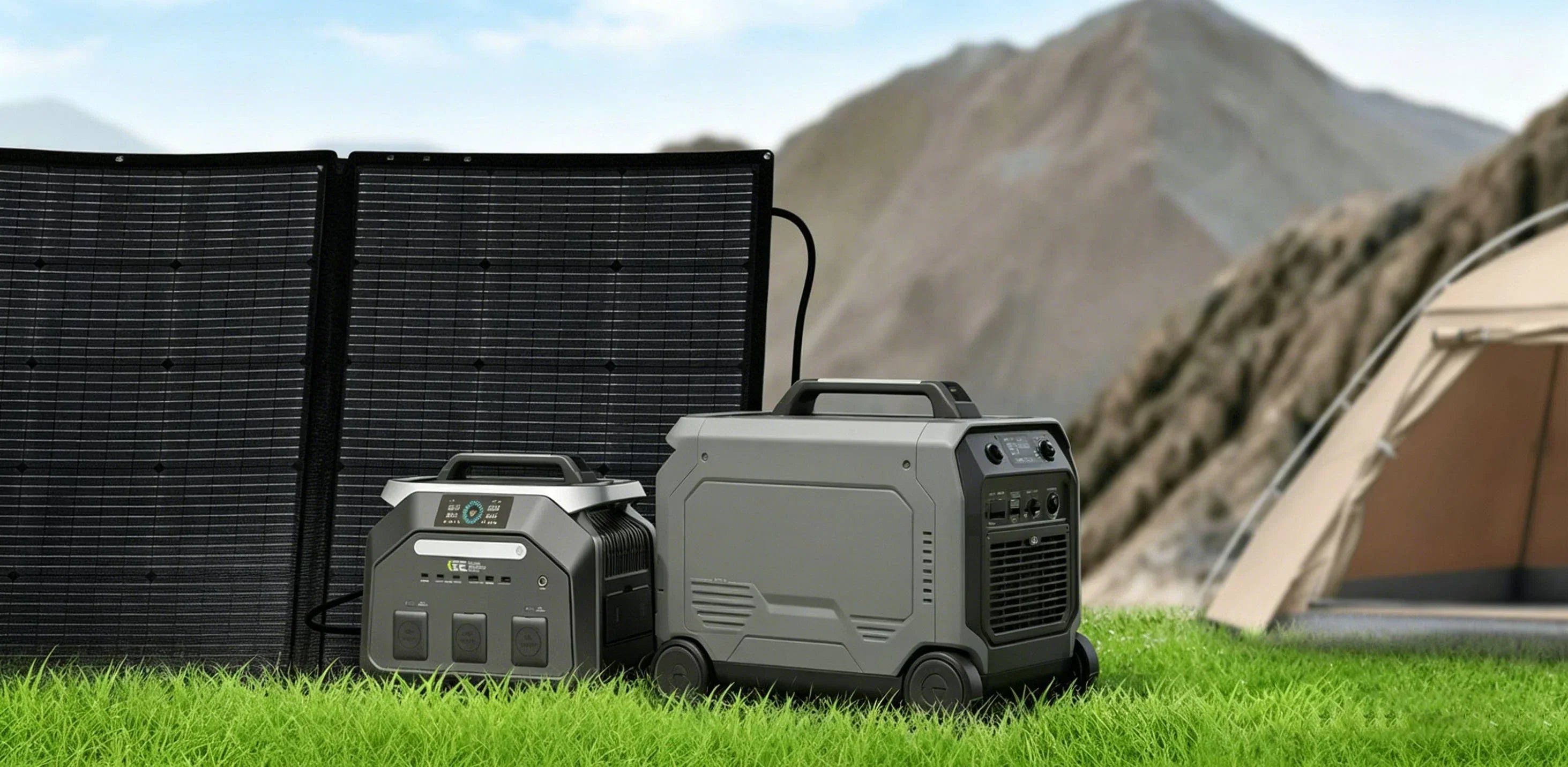
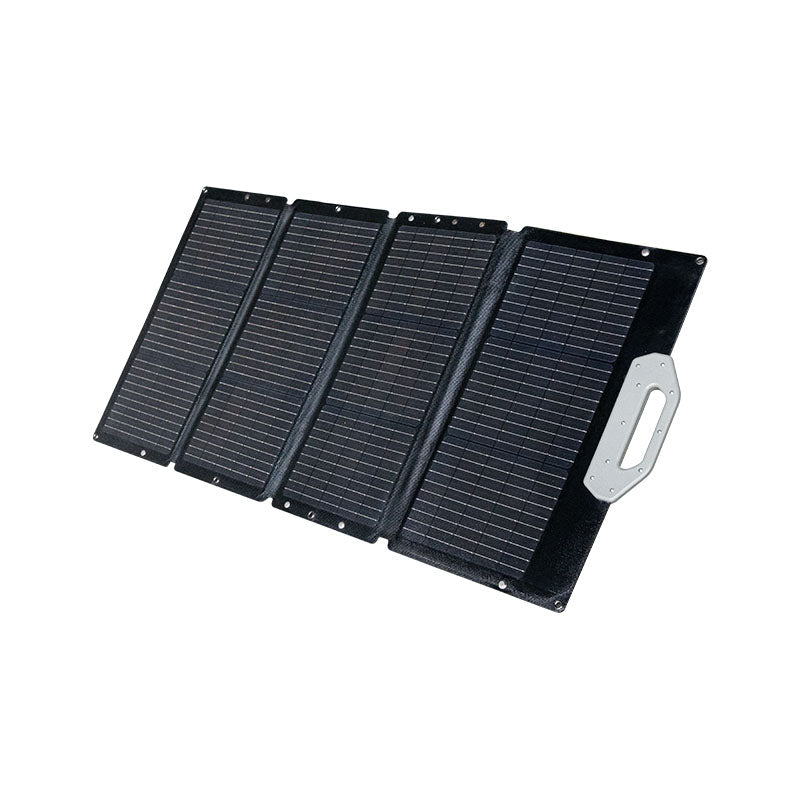
This is where portable power stations truly shine beyond generators. Many models, including the P3200 and SP5000, support solar panel input. During a prolonged outage, you can recharge your station with sunlight. This transforms it from a finite battery to a renewable micro-grid. It’s not just emergency power; it’s a step toward energy independence.
Live Drill: When Lights Go Out, What’s Your Plan?
Having a tool is only half the battle; knowing how to use it is the other half. Let’s run through a mental drill.
Step One: Calm, Then Connect (Safe Operation Procedure)
- Placement: Put your power station in a well-ventilated area. Even though it doesn’t emit fumes, batteries should stay cool.
- Priority Connection: First, plug in your most critical device (e.g., CPAP or phone). Then, add others based on your priority list.
- Power On: Turn on the power station. Most have clear indicators showing remaining power.
- Monitor: Keep an eye on the power level. Don’t drain it completely on one device if others are needed.
Step Two: Energy Management 101 – Making Your Power “Live” Longer
Your station’s capacity is finite. Use it wisely:
- Run the fridge intermittently: 2-3 hours on, then 2-3 hours off. This maintains temperature without constant draw.
- Use LED lights only: They consume a fraction of the power of old bulbs.
- Charge devices in batches: Instead of charging everything at once, prioritize.
- Unplug devices when fully charged: Don’t leave them sucking “trickle” power.
Beyond Blackouts: The 365-Day Life Revolution of Portable Power Stations
The beauty of these devices is they’re not just for emergencies. They enhance daily life.
Backyard Cinema & Mobile Office
Imagine setting up a projector and speakers in your backyard for a movie night. No need for long extension cords or worrying about outdoor outlets. Your power station provides clean, silent power. Or perhaps you want to work in your garden shed but there’s no power outlet—your station becomes your mobile office hub.
The DIY Enthusiast’s & Home Repair Assistant
For those who love DIY projects or need to use power tools in locations without grid power (like a remote part of your property, or while camping), a portable power station is a game-changer. It’s safer and cleaner than a generator, and you can use it indoors for tools like cordless drill chargers or small soldering irons.
Making Your Choice: A Straightforward Buyer’s Guide
So, how do you choose? It boils down to three questions:
- What do I absolutely need to keep running during an outage? (Your “core tier” list.)
- How long do I expect outages to last in my area? (Short urban interruptions vs. longer rural outages.)
- What’s my budget?
Budget vs. Needs: Finding Your Sweet Spot
- If your needs are minimal (phones, lights, maybe a fan) and outages are typically short (a few hours), a smaller, lower-capacity unit might suffice.
- If you have medical devices, want to keep a fridge running, and face potential multi-day outages, invest in a higher-capacity model like the SP5000.
- Remember: It’s better to have a bit more capacity than you think you need. You won’ regret the extra power during a real emergency.
Final Thoughts: This Isn’t Just a Box, It’s a New Layer of Confidence
We live in a world where electricity is no longer a luxury; it’s the backbone of our safety, health, communication, and comfort. Preparing for its loss isn’t about reverting to a primitive past; it’s about intelligently maintaining our modern present.
A portable power station like the P3200 or SP5000 is more than an emergency tool. It’s a statement: “I am responsible for my family’s well-being. I choose not to be vulnerable to the fragility of the grid.” It’s quiet power, not just in decibels, but in the confidence it brings.
Frequently Asked Questions (FAQ)
Q1: Can I run my entire house’s central air conditioning or electric stove on a portable power station?
A: Yes—but with a giant, flashing asterisk. This is the most exciting and dangerous misconception about modern power stations. Let's break it down.
The short answer is yes, units like our P3200 (3200W output) and SP5000 (5000W output) have the sheer muscle (watts) to start up and run heavy-duty appliances. That means yes, you can plug in a window AC unit, an electric kettle, or even a portable cooktop, and they will turn on and function.
Here’s the asterisk: It’s not about if it can run, but for how long. This is the critical difference between Power (Watts) and Energy (Watt-Hours).
Watts (The Sprint): This is the instantaneous power needed to start and run an appliance. A 5000W station has enough punch to start a motor or heat an element.
Watt-Hours (The Marathon): This is the total energy in the tank. This determines your runtime.
Let's do the real-world math:
Imagine you want to run a 1500W space heater on your SP5000 (5120Wh).
Runtime = Energy Capacity / Device Power Consumption
5120Wh / 1500W ≈ 3.4 hours
For a large central AC unit (3000-5000W), even an SP5000 might only run it for about 1 hour. It's a powerful but short burst.
Q2: How long can a station like the SP5000 actually run my refrigerator?
A: It depends on your fridge’s wattage and how often it cycles. A typical medium fridge might draw 200W when running. If it runs 50% of the time, it uses ~100W per hour. The SP5000 (5120Wh) could therefore theoretically run it for about 50 hours if managed carefully. Realistically, with other devices too, expect to support it for a couple of days.
Q3: Is it safe to leave a portable power station plugged in and charging all the time? A: Yes, modern units with good BMS are designed for this. They manage charging to prevent overcharging. However, for longevity, it’s good to unplug and use it occasionally, then recharge. Think of it like your smartphone battery.
Q4: Can I use it while it’s being charged (e.g., from solar panels)?
A: Most quality stations support “pass-through charging,” meaning you can use the power while simultaneously charging the battery from solar or wall outlet. This is crucial for long-term scenarios.
Q5: What’s the difference between a “power station” and a simple “large power bank”?
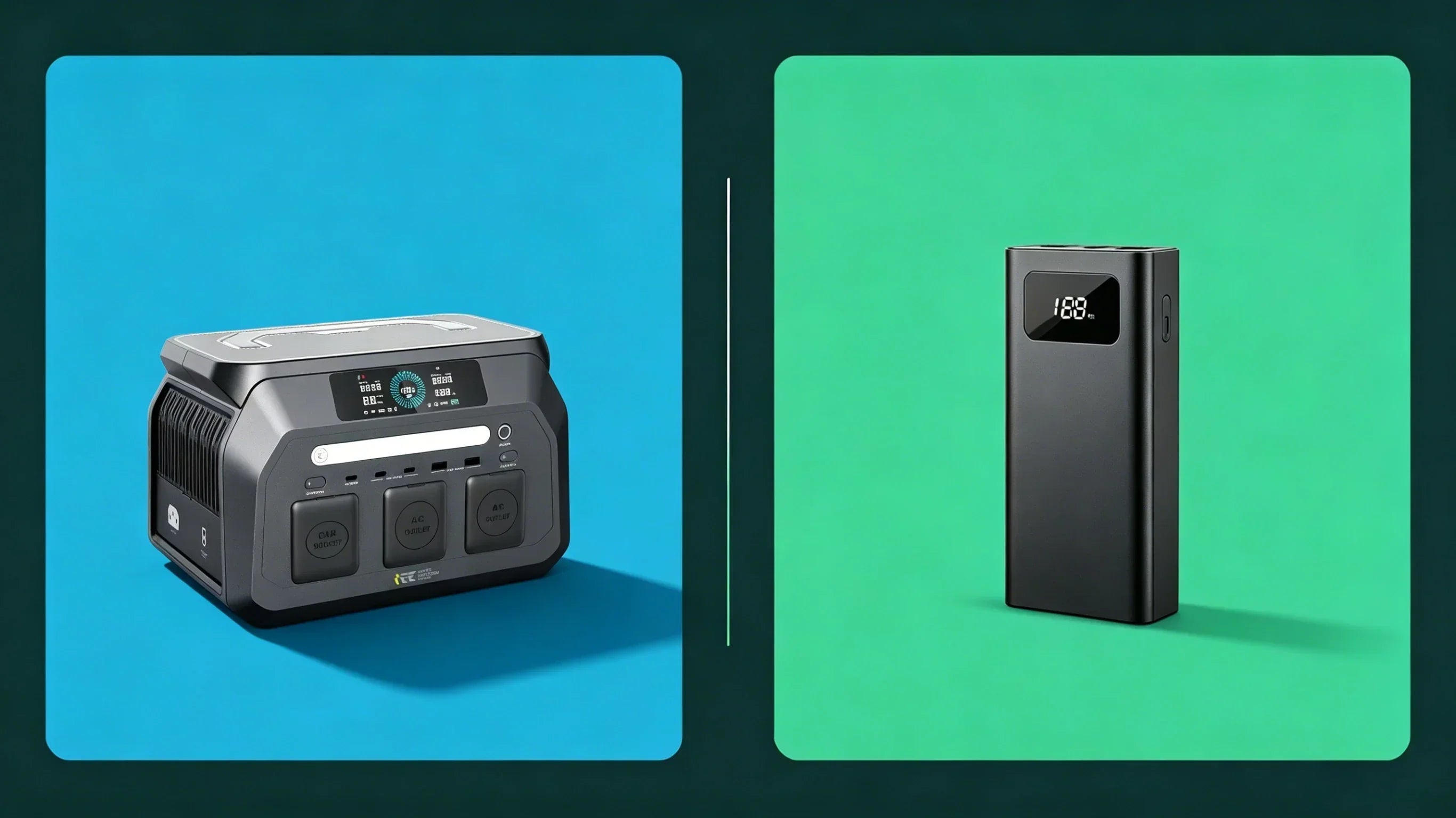
A: Power banks are usually for low-power devices (phones, tablets) and have USB outputs. Power stations have AC outlets (like your wall sockets), higher capacity (thousands of Wh), and pure sine wave inverters, allowing them to run actual household appliances safely. They are fundamentally different in capability.