

Table of Contents
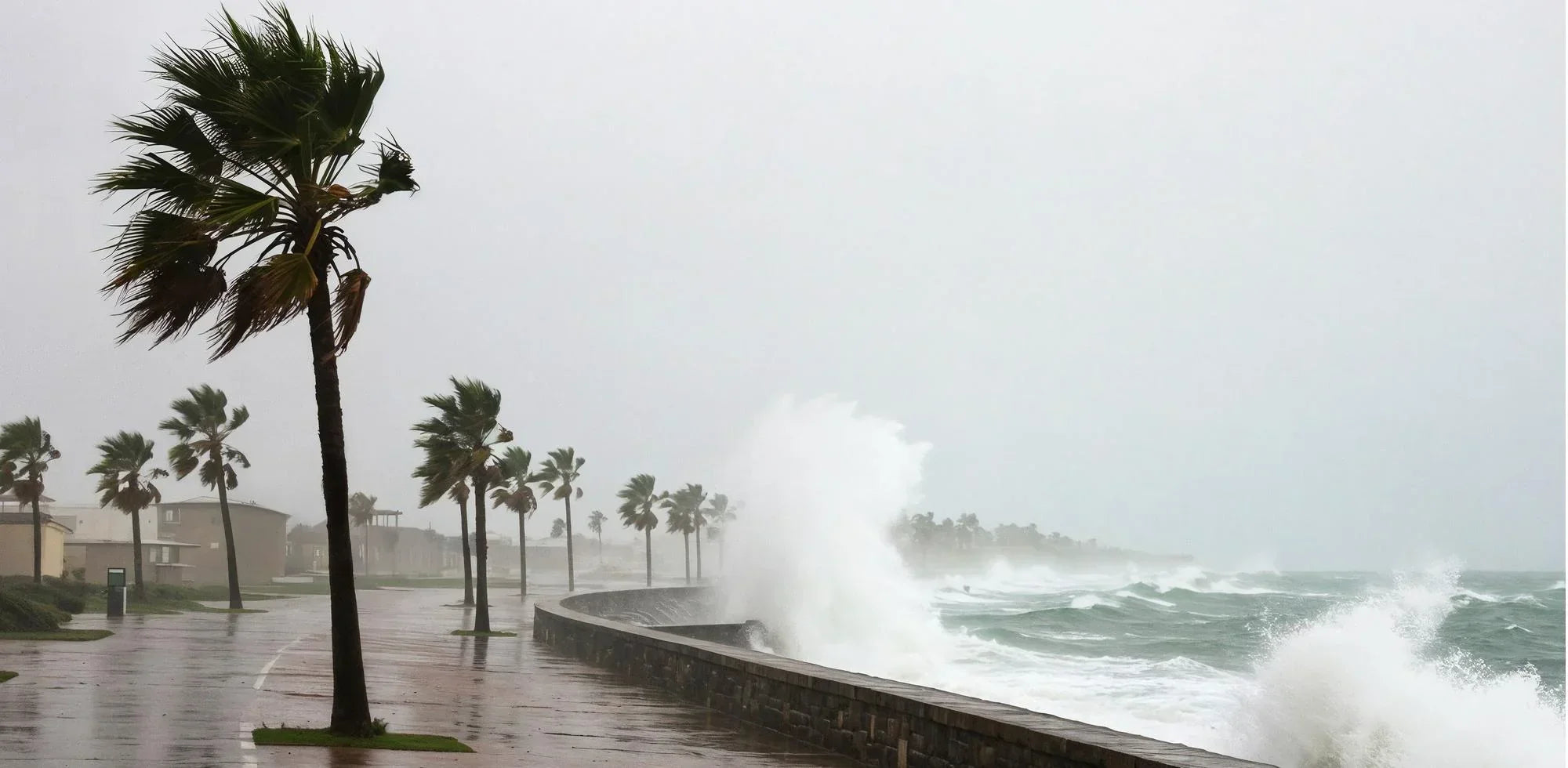
Imagine this: A hurricane knocks out your grid power, but your fridge stays cold, your phone stays charged, and your family stays safe. That’s the magic of a portable power station—a silent, fuel-free generator that stores energy for emergencies, adventures, or everyday needs.
How Portable Power Stations Work
These devices are essentially giant batteries with brains. They store DC power (from solar panels, wall outlets, or car chargers), convert it to AC via an inverter, and deliver clean electricity to your gadgets.
Battery Types: LiFePO4 vs. Lithium-Ion
- LiFePO4 (Lithium Iron Phosphate): Safer, longer lifespan (4,000+ cycles), but heavier. Ideal for home backup.
- Lithium-Ion: Lighter, higher energy density, but degrades faster. Best for camping.

Inverter Technology: Pure Sine Wave vs. Modified
- Pure Sine Wave: Runs sensitive electronics (CPAP, laptops) smoothly.
- Modified Sine Wave: Cheaper but may damage medical devices.
Key Features to Consider Before Buying
Wattage Needs: How Much Power Do You Really Need?
Add up your devices’ running watts (continuous power) and surge watts (startup spikes).
Example: Running a Refrigerator (Can a Power Station Run a Fridge?)
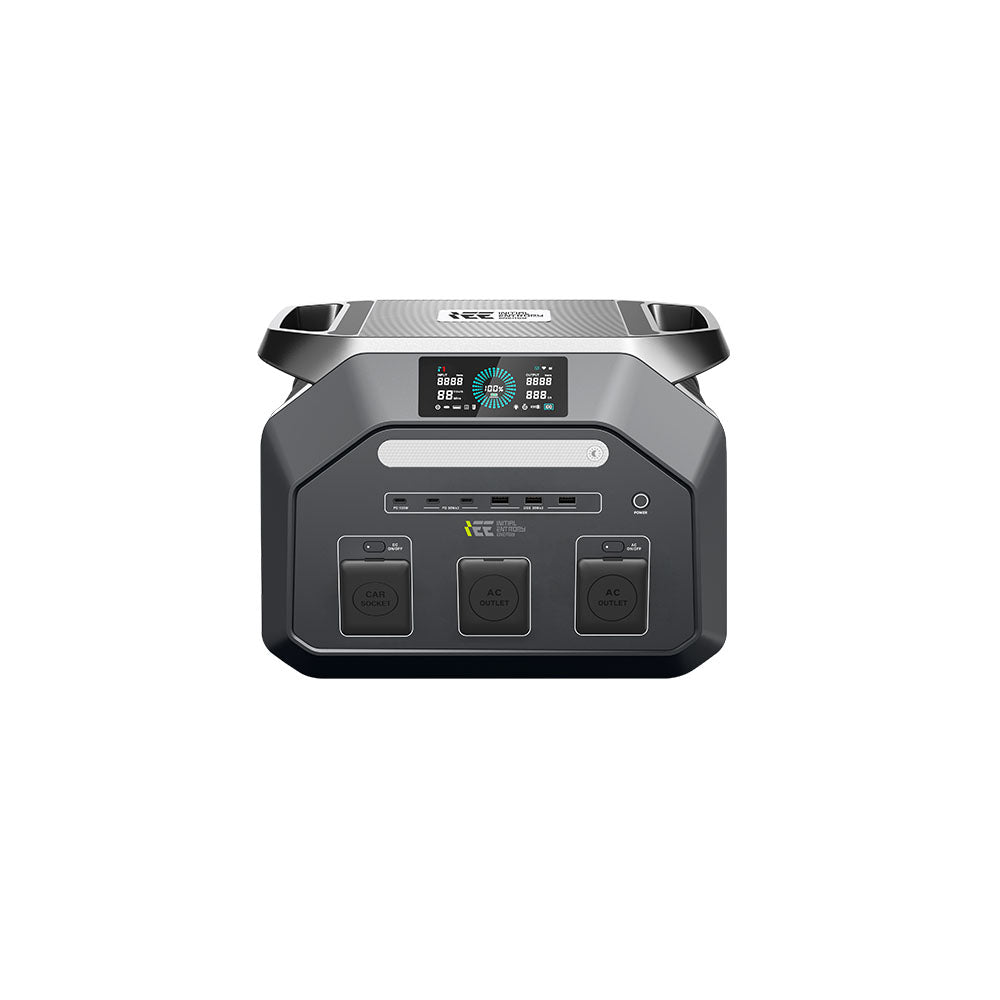
A standard fridge needs 1,200W to start but only 200W to run. The IEETek P1800 (1,800W) handles this easily, while the P3200 (3,200W) can power a fridge and a microwave.
Portability vs. Capacity Trade-Off
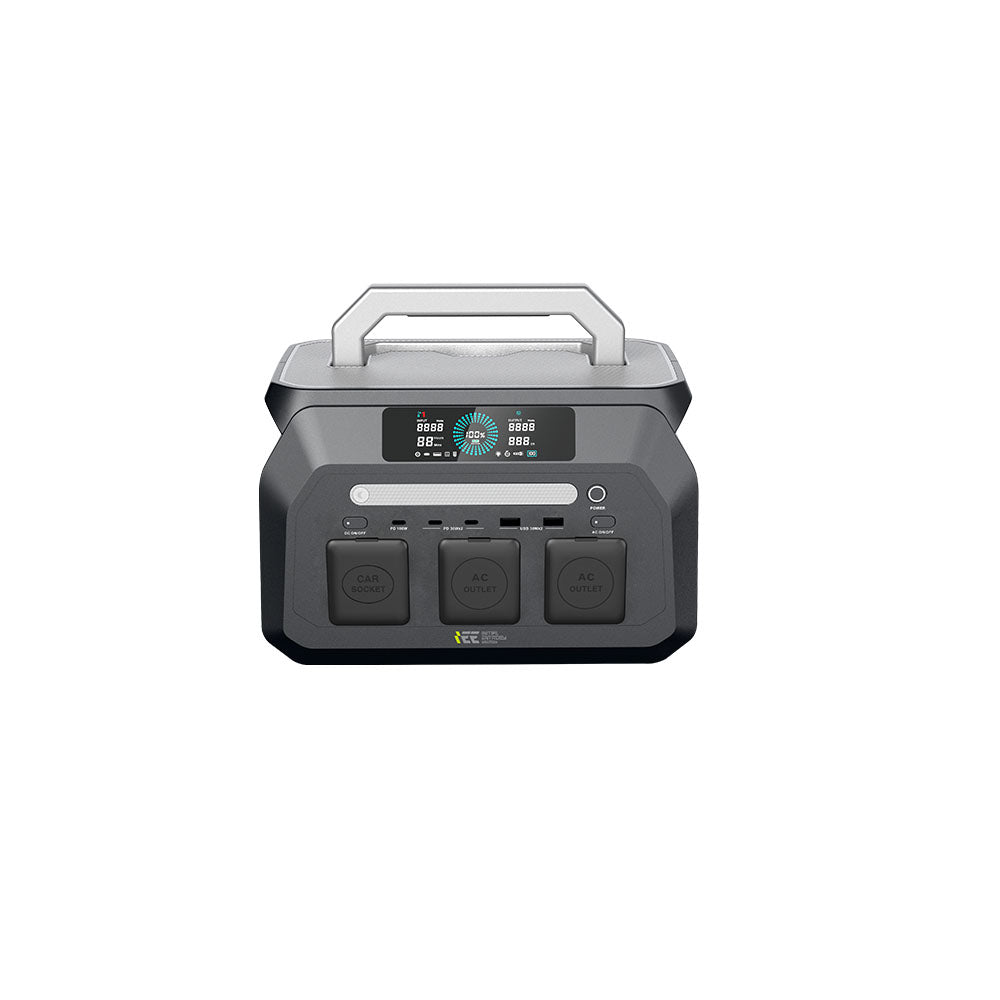
- Under 20 lbs: Good for backpacks (e.g., P800).
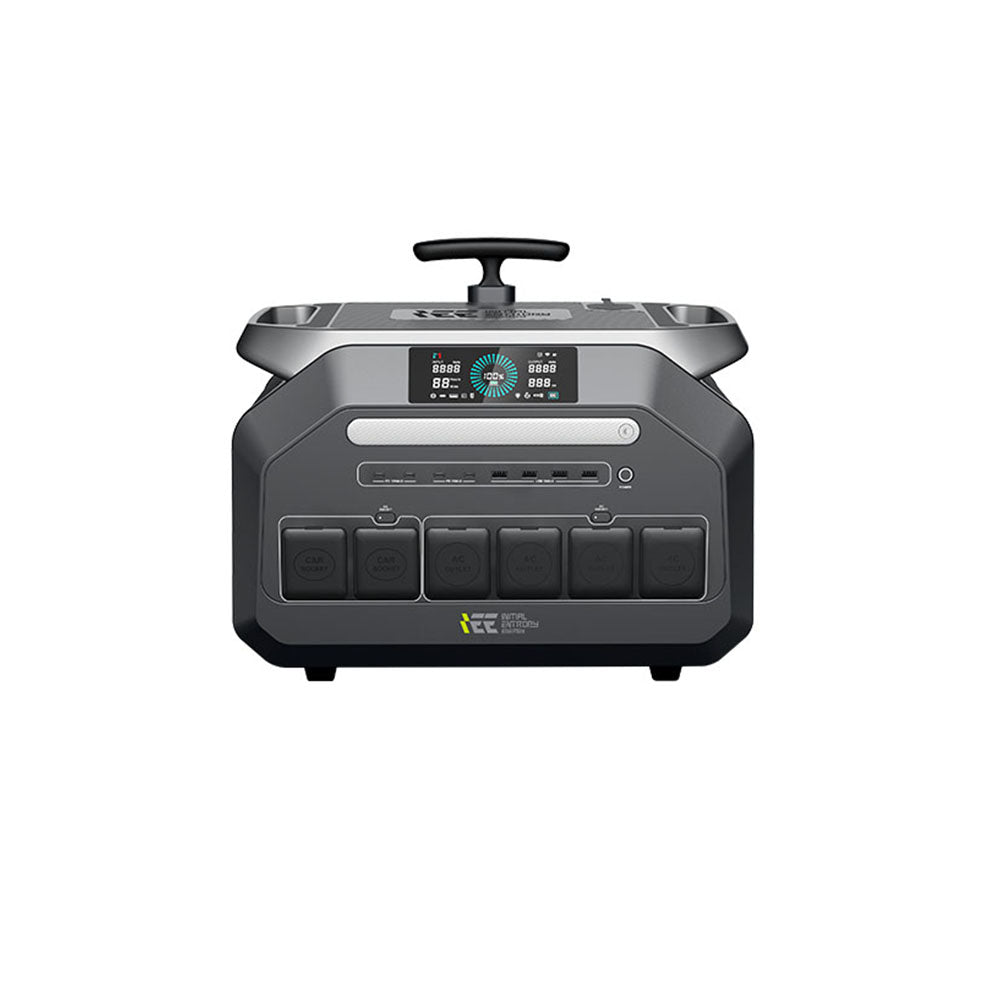
- Over 50 lbs: Higher capacity (e.g., P3200) but needs wheels.
Solar Charging Compatibility
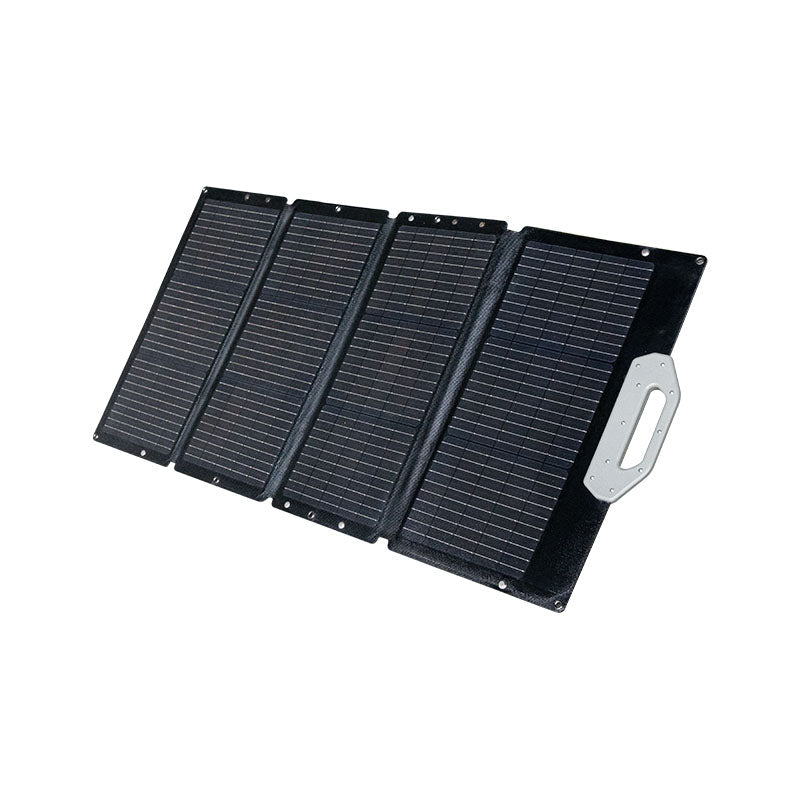
Look for MPPT controllers (more efficient than PWM) and 500W+ solar input (like the P1800’s 2-hour recharge time).
Top Use Cases for Portable Power Stations
Emergency Home Backup During Blackouts
Power medical devices, routers, and lights for days.
Camping and RV Adventures
Run blenders, projectors, and drones off-grid.
DIY Projects and Job Sites
Noisy generators banned? A P3200 silently powers tools.
How to Choose the Right Power Station
Budget Considerations
- 500: Mid-range (P800/P1800).
- $800+: Heavy-duty (P3200).
Brand Reputation and Warranty
IEETek offers 5-year warranties and UL-certified safety.
Introducing the IEETek Series: P1800, P800, P3200
Model Comparison Chart
| Model | Capacity | Output | Solar Input | Weight | Best For |
|---|---|---|---|---|---|
| P800 | 800Wh | 800W | 300W | 14.44 lbs | Weekend trips |
| P1800 | 1,024Wh | 1,800W | 500W | 28 lbs | Camping/RVs |
| P3200 | 3,200Wh | 3,200W | 1,000W | 53 lbs | Home backup |
Why the P1800 Is a Camper’s Dream
- Powers a fridge + coffee maker + phone charger simultaneously.
- Charges via solar faster.

P3200: The Ultimate Home Backup
- Runs a full-size fridge for 24+ hours.
- Daisy-chain batteries for whole-house coverage.

Power Wherever You Need It
Whether you’re prepping for disasters or chasing sunsets, the right portable power station keeps you energized.
Pro tip: Match your wattage needs to your lifestyle—don’t overpay for unused capacity!
FAQs
-
Can a power station run an air conditioner? Yes, if it’s 3,000W+ (like the P3200 with a 5,000W surge).
-
How long do these batteries last? LiFePO4 models (e.g., P1800) last 10+ years with daily use.
-
Are solar panels included? Usually sold separately—opt for 200W+ panels for fast charging.
-
Can I use it while charging? Yes! This is called Yes! This is called pass-through charging.
-
What’s the #1 mistake buyers make? Underestimating surge watts (always check device startup power).